Drainage advice
Unblocking A Toilet
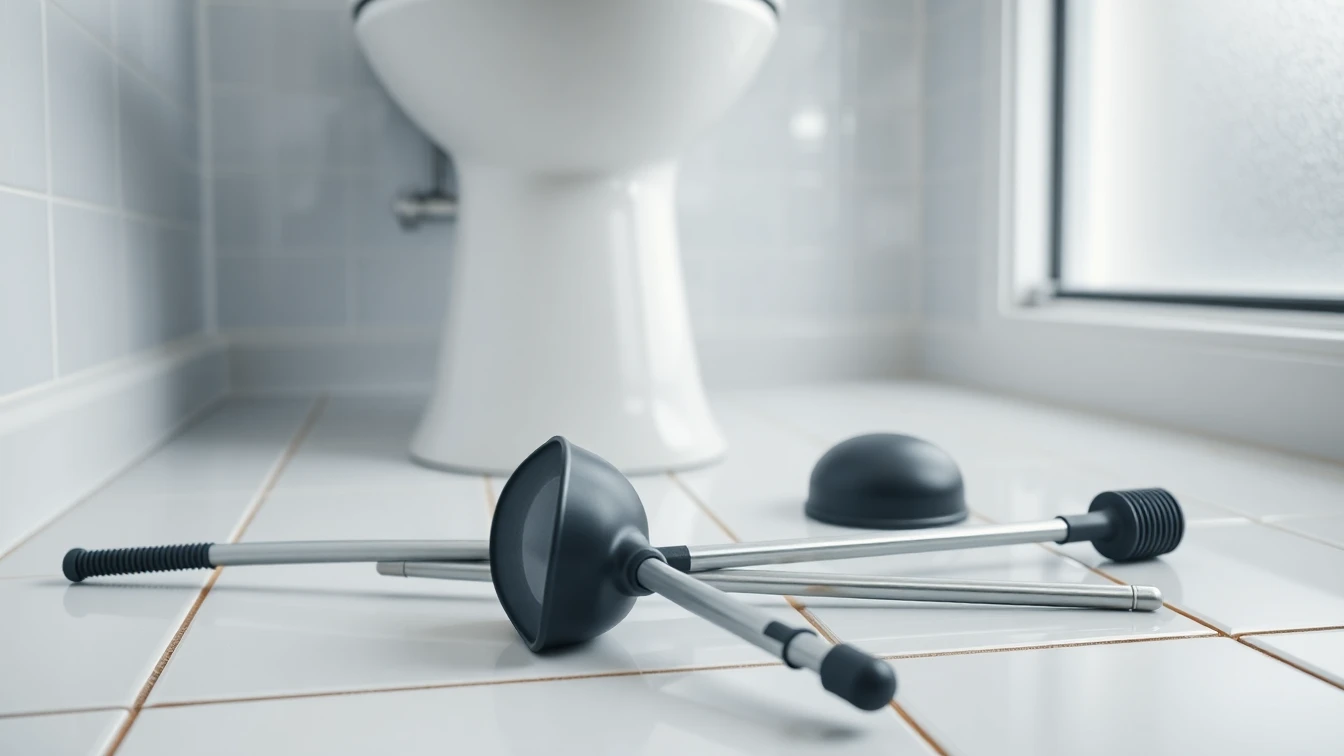
A blocked toilet is one of the most stressful household emergencies. When it won’t flush properly — or worse, the water rises to the rim and threatens to overflow — acting quickly and calmly is essential. Most toilet blockages are straightforward, but some require professional intervention. Here’s everything you need to know.
Why Toilets Block
Toilet blockages nearly always occur in the trap — the S-shaped or P-shaped section of pipework immediately beneath the pan — or in the immediate drain run beyond it. The most common causes are:
- Excess toilet paper — particularly thick, quilted varieties that don’t break down quickly
- Non-flushable items — wet wipes (including those marked “flushable”), nappies, sanitary products, cotton wool, and dental floss
- Children’s toys — a surprisingly frequent cause in family homes
- Excessive waste in a single flush — the trap simply can’t clear it in one go
- Scale or grease build-up in older pipework that reduces the pipe bore
Rarely, a toilet blockage is a symptom of a blockage further along the main drain. If multiple fixtures in your home are draining slowly or backing up, the problem is likely in the main drain rather than the toilet itself.
Immediate Steps: What to Do First
Stop flushing. If the toilet bowl is full to the rim, resist the urge to flush again. A second flush when the drain is blocked will cause the bowl to overflow onto the bathroom floor.
Check the water level. If it’s rising rapidly, remove the cistern lid and push down the flapper valve — the rubber disc at the bottom of the cistern — to stop more water entering the bowl.
Put on rubber gloves. Even a “minor” toilet blockage involves sewage bacteria. Gloves are non-negotiable.
Home Remedies That Work
Plunging
A toilet plunger — the type with a flange (a fold-out rubber lip at the base) rather than a flat cup plunger — is the most effective first-response tool. Position the flange inside the toilet trap to create a seal, then pump with steady, firm strokes. The alternating pressure and suction should dislodge most minor blockages.
Hot Water and Washing-Up Liquid
For a partial blockage, adding a generous squirt of washing-up liquid to the bowl and following with a bucketful of very hot (but not boiling — thermal shock can crack ceramic) water can help dissolve grease and break up soft blockages. This works best when combined with plunging.
Baking Soda and Vinegar
Pour half a cup of baking soda followed by half a cup of white vinegar into the bowl. The chemical reaction creates bubbling that can help shift soft blockages. Leave for 30 minutes then flush. This is a gentle method with limited effectiveness on anything but the mildest blockage.
Drain Snake or Toilet Auger
A toilet auger — a flexible metal coil with a rotating handle — can reach through the trap and break up or retrieve the blockage. These are available from hardware stores and are worth having in the house. Insert the coil gently (to avoid scratching the ceramic) and rotate the handle as you push it through the trap.
When to Call a Professional
Home remedies have their limits. Call a drain engineer if:
- Plunging and augering have failed after 20–30 minutes of effort
- The toilet is overflowing or there is sewage on the floor
- Multiple fixtures (other toilets, sinks, bath) are also draining slowly — suggesting a main drain blockage
- The toilet blocks repeatedly within a short period
- There is a gurgling noise from other drains when you flush
- You can see or smell sewage coming up from an external drain chamber
Professional drain engineers carry high-pressure jetting equipment that can clear blockages a plunger cannot reach. For main drain blockages, a CCTV survey identifies exactly where the problem lies.
Preventing Future Blockages
- Only flush toilet paper — no wet wipes, no “flushable” products, no sanitary items
- Use a moderate amount of paper — multiple smaller flushes are better than one large one
- Install a fine-mesh screen on any floor gullies near the toilet to catch debris before it enters the system
- Check for root ingress in older properties — tree roots are a common cause of recurring toilet blockages in North London’s mature-garden neighbourhoods
- Have your main drain jetted every two years as preventive maintenance
For persistent or emergency toilet blockages across Enfield, Barnet, Edgware, Wembley, Cheshunt, Potters Bar and Southgate, London Drain Clear Ltd is available 24 hours a day. Use our contact form — we operate a same-day response, with urgent jobs prioritised.