Drainage advice
What Causes A Drain Blockage?
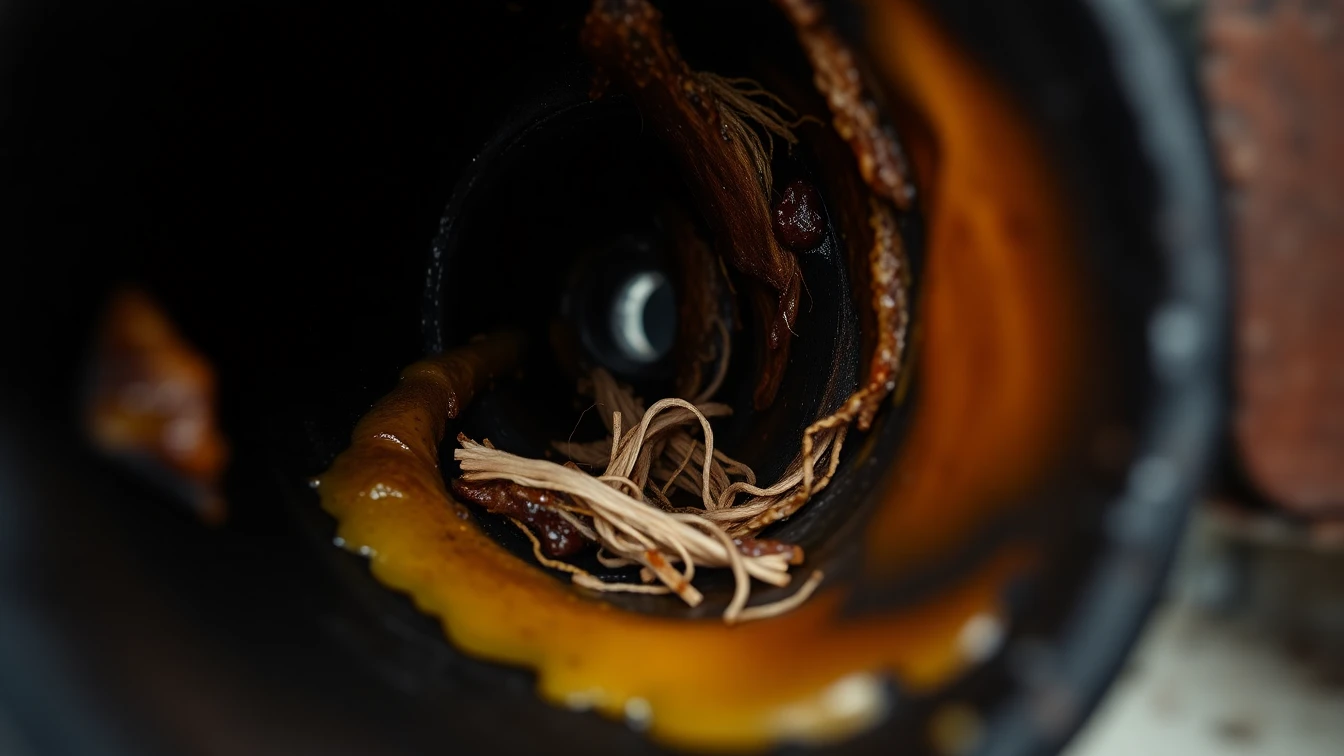
Drain blockages are one of the most common plumbing problems faced by homeowners across North London. Whether it’s a slow-draining sink or a completely backed-up sewer, the root cause is usually the same: something that shouldn’t be in the drain has found its way there. Understanding what causes blockages is the first step to preventing them — and knowing when to call a professional.
The Most Common Culprits
Grease and Fat
When you pour cooking fat or greasy water down the kitchen drain, it feels harmless in its liquid state. But as it cools inside the pipework, it solidifies and clings to the pipe walls. Over time, layer upon layer builds up, narrowing the pipe until it blocks completely. In London’s older housing stock — much of it built before 1950 — cast-iron and clay pipes with rough interior surfaces are particularly prone to fat accumulation.
The solution is simple in principle: never pour cooking fat down the drain. Instead, collect it in a container and dispose of it with your general waste.
Hair and Soap Scum
In bathroom drains, hair is the number one offender. It knots with soap scum and any other debris passing through, forming a dense mat that water can barely penetrate. This is why shower and bath drains are often the first to block in a household.
A simple drain strainer catches hair before it enters the pipe. It’s one of the cheapest preventive measures available and can save hundreds of pounds in call-out fees.
Wet Wipes and Non-Flushable Items
Despite being marketed as “flushable,” wet wipes do not dissolve like toilet paper. They travel through the toilet trap and enter the main drain, where they snag on joints, roots, or scale deposits and begin to accumulate. Combined with fat, these wipes form the infamous “fatbergs” — dense masses that have caused major sewer blockages across London.
Other items frequently found blocking drains include cotton wool, nappies, sanitary products, and even children’s toys. None of these belong in a toilet.
Tree Roots
Older clay or concrete drain pipes are susceptible to root ingress. Tree roots are drawn toward moisture and can force their way through hairline cracks or poorly sealed joints, growing inside the pipe until they cause a partial or complete blockage. Root ingress is particularly common near gardens and front paths where mature trees are present.
A CCTV drain survey is the only reliable way to diagnose root ingress without excavation.
Limescale and Mineral Build-Up
London has notoriously hard water. Over years of use, calcium and magnesium deposits build up on the inside of pipes, reducing their bore and slowing drainage. This is especially common in hot-water pipes and around the U-bend under kitchen sinks. Combined with grease or soap, scale forms a rough surface that catches debris more easily.
Structural Defects and Collapsed Pipes
Sometimes a blockage isn’t caused by what’s going into the drain, but by the condition of the pipe itself. Subsidence, ground movement, or simple age can cause pipes to crack, collapse, or become misaligned at joints. These defects create a dam effect that traps solids passing through.
How to Know When You Have a Blockage
Watch for these warning signs:
- Water draining more slowly than usual from sinks, baths, or showers
- Gurgling sounds from plug holes or toilets after flushing
- Unpleasant smells — particularly a rotten egg or sewage odour — coming from drains
- Water or sewage backing up from an outside inspection chamber
- Multiple fixtures in the house draining slowly at the same time (suggests a main drain problem rather than a single branch)
What To Do About It
Minor blockages — such as a hair blockage in a shower trap — can often be cleared with a plunger or a hand-held drain snake. However, for anything beyond the immediate trap and trap arm, professional equipment is needed. High-pressure water jetting is the most effective way to clear grease, scale, and debris accumulations in main drains, while a CCTV survey pinpoints structural causes.
Attempting to clear a main drain blockage with caustic chemicals or excessive rodding can damage already-weakened pipework, making matters worse.
Prevention Is Always Better Than a Call-Out
The best drain maintenance is the kind you do daily:
- Use sink strainers to catch food debris and hair
- Scrape plates into the bin before washing up
- Never pour cooking fat, oil, or grease down the drain
- Only flush toilet paper — nothing else
- Run hot water down the kitchen drain after washing dishes to keep grease moving
- Have your drains cleaned professionally every 18–24 months if you have an older property
If you’re experiencing slow drains or suspect a blockage in your North London home, London Drain Clear Ltd provides 24/7 emergency drain unblocking, high-pressure jetting, and CCTV surveys across Enfield, Barnet, Edgware, Wembley, Cheshunt, Potters Bar and Southgate. use our contact form — we operate a same-day response, with urgent jobs prioritised.