Drainage advice
The Importance Of Keeping Your Drains Clear
Your drainage system is one of the hardest-working parts of your home. It silently handles everything you flush, pour, or wash away — every day, without complaint. Most people only notice their drains when something goes wrong. By then, the problem is often expensive to fix and could have been prevented entirely.
Keeping your drains clear isn’t just about convenience. It protects your home, your health, your wallet, and your neighbours.
Protecting Your Home from Water Damage
When a drain blocks and water has nowhere to go, it finds the path of least resistance — and that path often leads somewhere you really don’t want water to be. Backed-up sewage can overflow into ground-floor rooms, seep under floorboards, or saturate garden soil around your foundations.
Water damage from drain overflow is one of the most destructive and costly incidents a homeowner can face. Beyond the immediate cleanup, you’re looking at damaged flooring, walls that need replastering, potential mould remediation, and in serious cases, structural damage to the foundation. None of these are cheap.
Regular drain maintenance — using strainers, avoiding grease disposal down drains, and periodic professional cleaning — is a fraction of the cost of even a moderate flood cleanup.
Avoiding Health and Hygiene Hazards
Blocked drains don’t just create inconvenience — they create health risks. Standing water in blocked drains is a breeding ground for bacteria including E. coli and salmonella. Hydrogen sulphide gas — the source of the “rotten egg” drain smell — is produced by the decomposition of organic matter in blocked drains and can cause headaches and respiratory irritation.
In homes with young children or elderly residents, these risks are particularly serious. A drain that’s kept clear and flowing freely doesn’t give bacteria the stagnant environment they need to multiply.
Preventing Expensive Structural Drain Repairs
Most structural drain problems start small. A hairline crack in a clay pipe allows a tree root to enter. A slightly displaced joint begins to trap debris. Scale slowly accumulates on pipe walls. Over months and years, these minor issues develop into major ones — collapsed pipes, root-filled sections, and completely blocked systems.
The cost of a high-pressure jetting clean every couple of years is modest. The cost of excavating and replacing a collapsed drain section runs into thousands. Preventive maintenance keeps problems at the manageable end of the scale.
Keeping Pests Out
Rats and mice are drawn to blocked drains. A cracked drain or a blockage that creates a dead zone in the pipe system is an invitation. In North London — an urban environment with a significant rodent population — a compromised drain is a genuine pest risk. Keeping drains clear and in good structural condition removes one of the most common rat entry routes into domestic properties.
Responsibilities to Your Neighbours
In terraced and semi-detached houses — the dominant property type across North London — drains often connect properties before reaching the public sewer. A blockage originating in your drain can back up into your neighbour’s system, or vice versa.
Beyond shared drains, surface water from a blocked external drain can flood neighbouring gardens or driveways. Maintaining your drains is, in part, a matter of being a considerate neighbour and avoiding potential liability.
How to Keep Your Drains Clear
You don’t need to be an expert or spend much money. The basics make a significant difference:
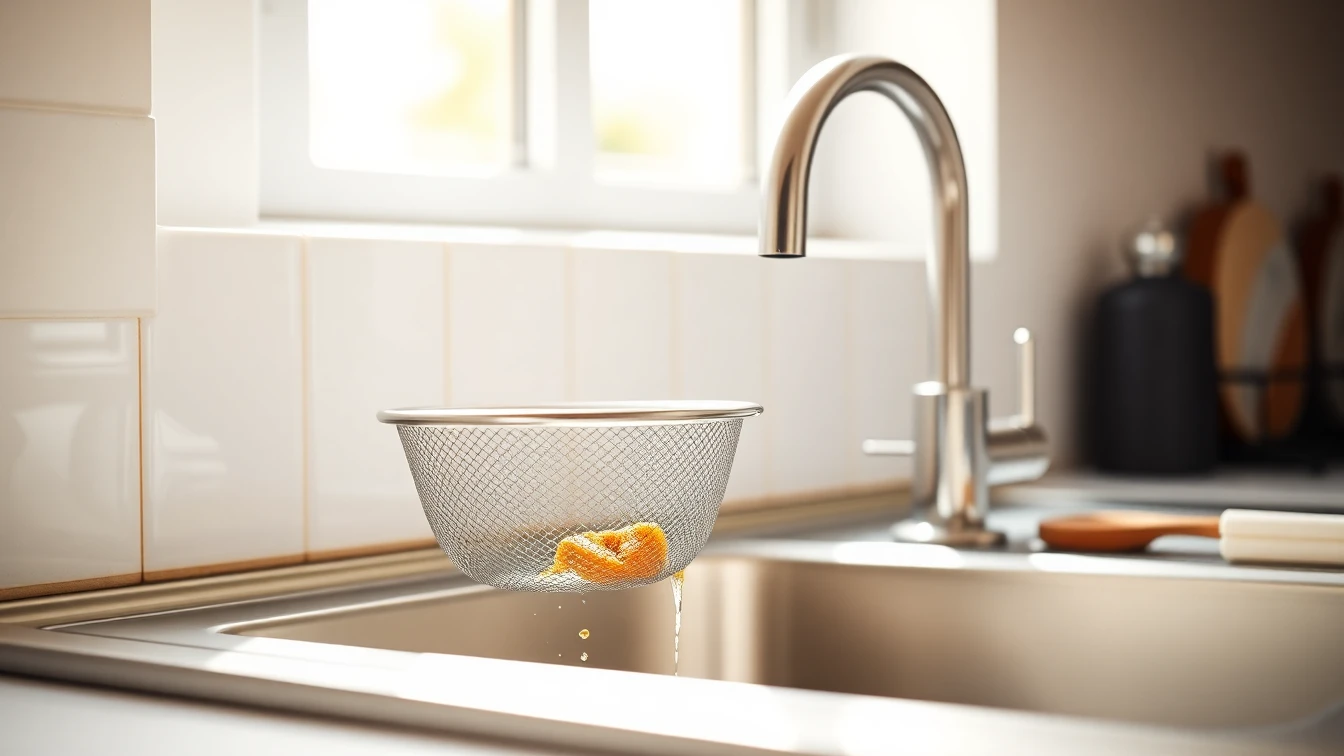
- Fit sink strainers in kitchen and bathroom plug holes to catch hair, food, and debris before they enter the pipe
- Never pour cooking fat or oil down the drain — collect it and bin it once cool
- Only flush toilet paper — no wet wipes, no sanitary products, no cotton wool
- Run hot water down the kitchen drain after washing dishes to help keep grease moving through the pipe
- Clear hair from the shower drain after every use
- Have your drains professionally jetted every 18–24 months if you live in a period property with clay or concrete pipework
When to Call a Professional
Some warning signs mean a blockage is already developing:
- Slow drainage from multiple fixtures
- Gurgling sounds from drains after flushing
- Drain smells inside or outside the property
- Standing water in an external inspection chamber
If you spot these signs, don’t wait. Early professional intervention — clearing a partial blockage before it becomes complete — is almost always cheaper and quicker than dealing with an emergency overflow.
London Drain Clear Ltd provides scheduled maintenance jetting, emergency drain unblocking, and CCTV surveys across Enfield, Barnet, Edgware, Wembley, Cheshunt, Potters Bar and Southgate. To book a drain clean or discuss a problem, call ****.