Drainage advice
Why It Is Important To Have Drain Maintenance
Most homeowners think about their drains only when something goes wrong. This is understandable — drains are out of sight and, when they’re working correctly, entirely out of mind. But drainage is exactly the kind of system where the old maxim about prevention being better than cure applies most strongly. Planned, routine maintenance is consistently cheaper, less disruptive, and less stressful than emergency reactive work.
What Is Drain Maintenance?
Drain maintenance encompasses everything done to keep a drainage system functioning correctly and to extend the life of the pipework. It includes:
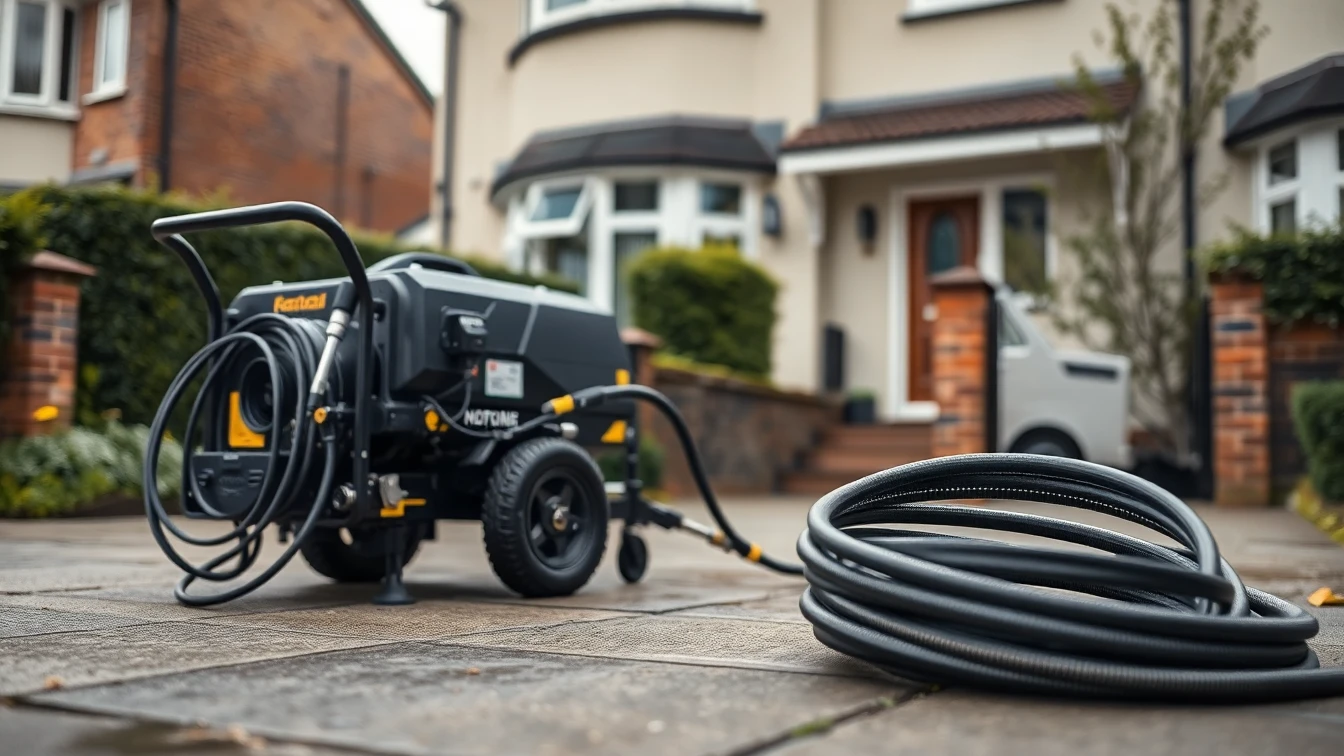
High-pressure water jetting: The most effective cleaning method for residential and commercial drains. A high-pressure water jet — typically operating at 4,000 psi or higher — is inserted into the drain and propels itself through the pipe, blasting away fat, scale, root fragments, and debris from the pipe walls. This restores the bore of the pipe to its original diameter and leaves it significantly cleaner than basic rodding.
CCTV surveys: Periodic camera inspections of the drain run, typically recommended every three to five years (or more frequently for older clay or concrete systems), to detect developing defects — root ingress, cracked sections, displaced joints, scale build-up — before they become failures.
Root cutting: For drains with known or suspected root ingress, a mechanical root cutter on the end of a jetting hose removes root masses from inside the pipe, extending the life of the pipe and reducing blockage frequency.
Drain descaling: For systems with significant limescale build-up — particularly in London’s hard-water areas — specialist descaling nozzles or chains break up mineral deposits on pipe walls.
The Case for Preventive Maintenance
Catching Problems Early
Drain defects rarely appear fully formed overnight. They develop gradually. A crack in a clay pipe becomes a root ingress point. A slightly displaced joint accumulates debris until it partially blocks the pipe. Limescale builds up millimetre by millimetre until it significantly restricts flow.
Periodic maintenance — especially CCTV surveys — catches these developing issues when they’re cheap and non-disruptive to address, rather than after they’ve become failures requiring excavation and pipe replacement.
Avoiding Emergency Costs
Emergency drain call-outs carry a premium — rightly so, given that someone is attending outside normal hours or at short notice. For a letting agency or property management company, the difference between a planned maintenance schedule and reactive emergency call-outs represents a significant budget saving over a year.
For homeowners, the cost of an emergency blocked drain call-out, compounded by any flood damage, can easily reach ten times the cost of regular maintenance.
Extending the Life of Pipework
North London’s housing stock contains a significant proportion of clay drain pipes laid in the Victorian and Edwardian eras. These pipes, while remarkably durable, are no longer manufactured and are expensive to replace. A maintained clay drain — kept clear of root ingress, regularly jetted to prevent fat and scale build-up — can continue to function effectively for decades. A neglected one may fail and require full excavation and replacement.
Compliance and Insurance
Some commercial properties and HMO landlords have formal maintenance obligations under their insurance policies or tenancy agreements. Documented drain maintenance visits provide evidence of reasonable upkeep that can be important in the event of a flood damage claim.
How Often Should You Have Your Drains Maintained?
There is no single answer — it depends on the age and material of your drains, the number of people using them, whether you’re in a hard-water area, and whether there are trees near the drain run. As a general guide:
- Modern plastic drain systems, average household use: jetting every 3–5 years; CCTV survey every 5 years
- Older clay or concrete systems, period properties: jetting every 2–3 years; CCTV survey every 3 years
- Known root ingress: jetting annually; CCTV survey annually
- Commercial properties or HMOs: jetting 1–2 times per year; CCTV survey annually
Drain Maintenance for North London Properties
London Drain Clear Ltd offers planned maintenance for domestic and commercial properties across Enfield, Barnet, Edgware, Wembley, Cheshunt, Potters Bar and Southgate. We carry out high-pressure jetting, CCTV surveys, root cutting, and descaling, and provide a written report after each visit.
To discuss a maintenance programme for your property, or to book a one-off maintenance visit, use our contact form.