Sewer Backup in Basement
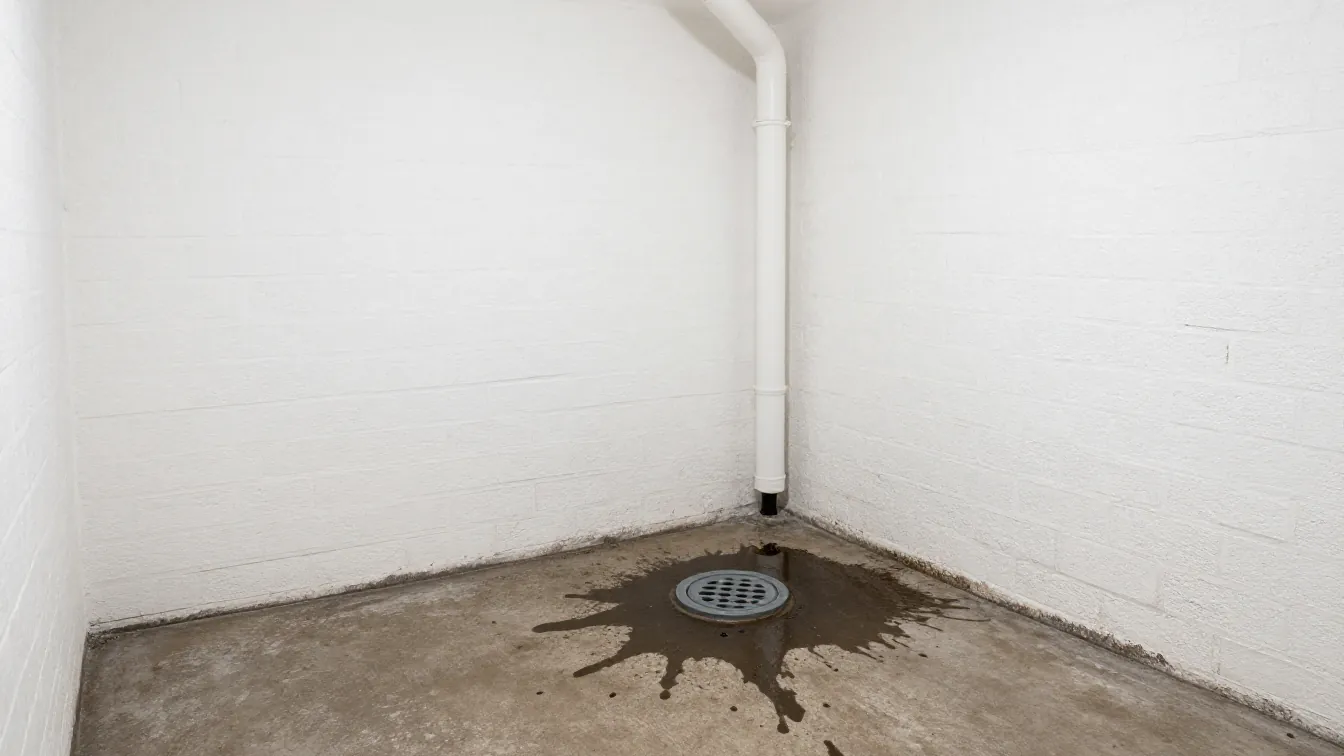
A sewer backup in a basement is a health risk, so act quickly. Sewage carries bacteria and a strong smell, and it ruins stored belongings fast. Because a basement is the lowest part of a building, it is usually the first place where a problem shows. This guide covers the causes, the warning signs and what to do next.
What causes sewage to back up into a basement?
Most backups start with a blockage, although heavy rain and damaged pipes also play a part. Finding the cause comes first, since the fix depends on it.
Blockages in the drain
A blocked pipe stops waste leaving the house. If only one toilet backs up, the blockage is probably in the short pipe serving it. However, if every bath, sink and toilet backs up together, the main drain is likely blocked. Grease, wipes and kitchen roll cause many of these clogs, as things that get stuck down the drain explains. For a wider list, see common causes of blocked drains.
Tree roots
Roots search out water, so they can grow into a pipe through a joint. Once inside, they catch paper and waste, so a partial blockage soon becomes a full one. Trees on a neighbouring plot can do this too, although most people only suspect their own garden.
Heavy rain
During a storm, sewers can fill faster than they empty. As a result, water can rise in the pipes and push back towards the lowest drain in a property. That is why basements suffer first.
Damaged or old pipes
Older clay and cast iron pipes crack and shift over time. A cracked pipe lets in soil and roots because the wall is no longer sealed, and it can leak sewage into the ground. Many newer drains use plastic, while older clay pipes break more easily. A camera survey shows what is wrong inside a pipe.
What are the signs of a sewage backup?
Catch the signs early, because you may then avoid a flood. Watch for these:
- Foul smells coming from floor drains or the toilet.
- Gurgling or bubbling when you flush or run a tap.
- Water rising in a basement drain, shower or toilet.
- Several fixtures draining slowly at the same time.
Since a single slow drain can mean a local clog, check whether other fixtures are affected too. How to tell when a drain needs cleaning lists more clues. A backing-up bath is a common early sign, which bathtub drain backing up covers in detail.
What to do if sewage is already in your basement
Keep everyone out of the flooded area, including pets. Sewage water is unsafe to touch or breathe near, and electricity makes it worse because water conducts current.
- Stop using toilets, taps and appliances until the drain is clear.
- Switch off electricity to the flooded area only if you can reach the switch without standing in water. Otherwise, leave it and get help.
- Open windows and doors to let in fresh air.
- Wear rubber gloves, boots, goggles and a face mask if you must go in.
- Tell your insurer and, if the sewer outside your boundary may be at fault, your water company.
Next, send the online enquiry form so an engineer can find the blockage. If the cause is a blocked main drain, how to clear a main sewer line explains what the work involves. A blocked toilet branch is a different job, since the fault sits closer to the bowl, and our blocked toilet clearance page covers it.
Cleaning up afterwards
Clean-up can be risky, therefore decide honestly whether you can manage it. If the flood is large, or anyone in the house is ill or vulnerable, use a professional cleaner. For a small spill, the steps are simple.
First, remove belongings and debris, then pump or vacuum out the water with equipment made for wet use. Next, scrub every surface and rinse with hot water. Then disinfect with a household disinfectant, and dry the room fully. Check for mould in the days that follow, because damp walls can hide it.
How to stop it happening again
Most basement backups are avoidable. Keep fat, wipes and kitchen roll out of your drains, and look after the pipes you own. How to keep a drain clear of blockage gives practical habits, while how often drains should be cleaned helps you plan routine work.
A backwater valve is another option. It closes automatically when water flows the wrong way, so it can stop sewage coming back in a storm. Ask a drainage professional whether one suits your property, because fitting depends on the layout.
How an engineer clears the blockage
The method depends on the blockage, because grease, roots and objects each need different tools. High-pressure water jetting clears grease and silt, and jetting blocked drains explains how it works. For lighter clogs, there are other tools, which methods to unblock clogged drains compares. Roots may need cutting first, and a camera check afterwards confirms the pipe is sound.
Cost and responsibility matter too, since a backup is stressful enough without a surprise bill. What it costs to unblock a drain explains what affects the price, and who is responsible for blocked sewage explains who pays when the fault sits outside your boundary.
Help across North London
We take blocked drains work across North London. Although we are based in Enfield, we also work in places such as drain unblocking in Wembley, drain unblocking in Cheshunt and drain unblocking in Potters Bar. We offer a 24/7 emergency call-out, with no call-out fee and a fixed price agreed before work starts. To report a backup, use the online enquiry form.