Things That Get Stuck Down The Drain
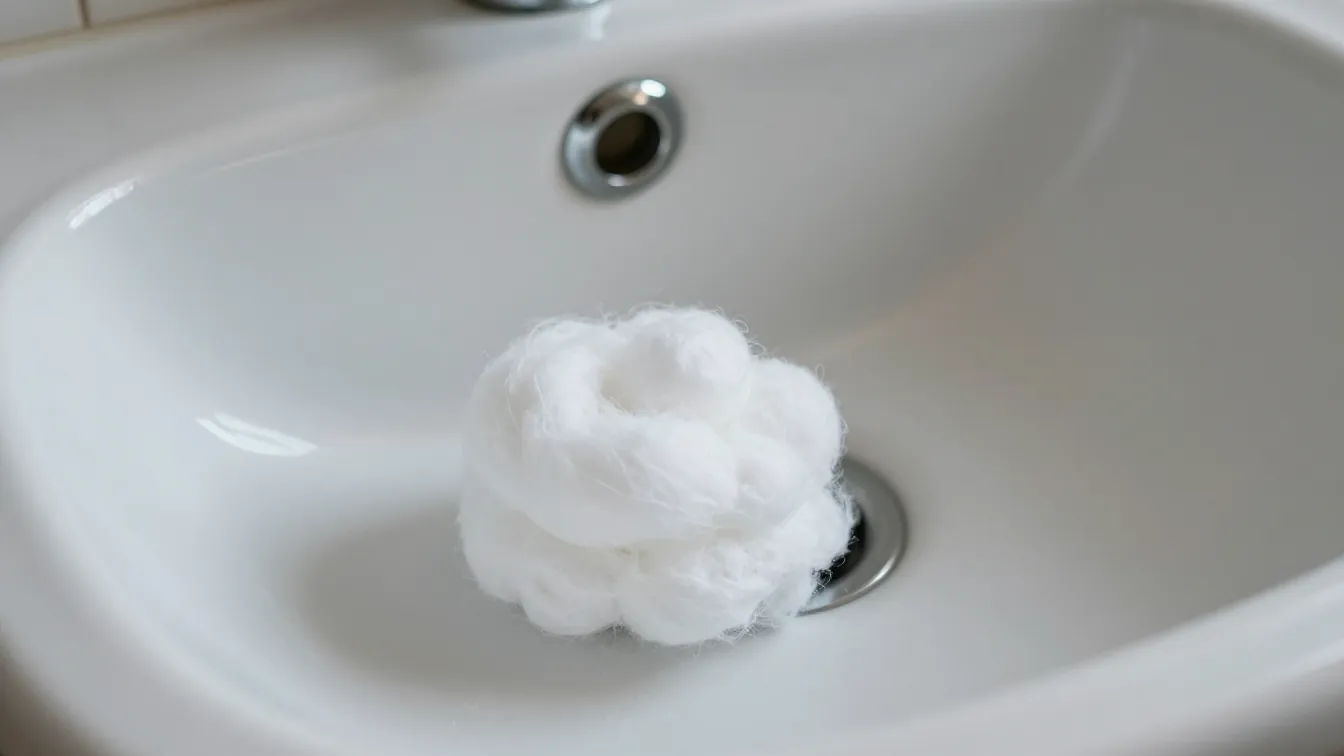
Most blocked drains have a simple cause, because something went down the pipe that should have gone in the bin. This guide lists the usual culprits, explains why they cause trouble and shows how to avoid them.
Kitchen waste
Fat, oil and grease are the biggest problem in the kitchen. They are liquid when hot, yet they cool and set inside the pipe. Over time they coat the walls and catch other waste, so the pipe narrows. Food scraps, coffee grounds and rice add to the build-up. Scrape plates into the bin, and wipe greasy pans with kitchen roll before washing. A mesh strainer in the sink catches what is left. Our blocked sinks page explains how we clear kitchen drains.
Bathroom waste
Hair and soap scum build up in showers, baths and basins. Hair binds with soap and forms a plug, which slows the water. A cheap strainer over the plughole catches most of it. Clear it after each wash, because a full strainer does little good.
Wet wipes and sanitary items
Wipes are a common cause of blocked toilets and sewers. Many are labelled flushable, yet they do not break down like toilet paper. They snag on rough pipe joints, and then they gather into a mass. Sanitary products, cotton buds and nappies behave in the same way. Only toilet paper and human waste should go down the toilet. Bin everything else.
Other items that should never go down
- Kitchen roll, tissues and paper towels.
- Cat litter, even types sold as flushable.
- Cooking oil poured down a sink or gully.
- Paint, cement and building waste.
- Toys and other small objects dropped in by children.
Outside the house
Gullies and external drains collect leaves, silt and rubbish. In autumn, for example, leaves can seal a gully quickly. Roots can also enter older pipes through cracked joints. If a drain outside keeps filling, it may need a camera check, not just a rod. How to keep a drain clear of blockage gives simple routines for the whole property.
What to do when something is stuck
If a sink or basin is slow, try a plunger first. For a toilet, the best way to unblock a toilet without a plumber explains safe steps. Wider options are in what you can do to clear a blocked drain. Avoid harsh chemicals, since they can harm pipes and are dangerous if they splash.
When the blockage is deeper, it needs equipment because a plunger cannot reach it. High-pressure water jetting clears grease and debris, and jetting blocked drains explains how. If a main run is blocked, how to clear a main sewer line describes the work. In a worst case, waste can back up into the lowest part of a house, as sewer backup in a basement shows.
Causes and prevention
Habits matter more than tools, since most repeat blockages come from the same cause. Causes and prevention of blocked drainage looks at the patterns behind repeat blockages. How often drains should be cleaned helps you plan routine care, and do you need drain clearance helps you decide when to call. If water backs up through a bath, read bathtub drain backing up.
Help in North London
We clear blocked drains across the area, and our work includes drain unblocking in Southgate, drain unblocking in Enfield and blocked drains in Barnet. To book a visit, use the online enquiry form.