Drainage advice
The best way to unblock a toilet without a plumber
TL;DR
Start with a proper flange plunger — the type with a fold-out rubber lip, not a flat sink plunger — and give it 15-20 firm, steady strokes to create real suction. If that doesn’t clear it, a bucket of hot (not boiling) water with a squirt of washing-up liquid can help soften and lubricate a soft blockage before you flush again. If neither works, a toilet auger reaches further into the trap than a plunger can. If the water’s still not draining, or other fixtures start gurgling when you flush, stop trying and get in touch via the online enquiry form — see blocked toilets for how we handle it.
The plunger method, done properly
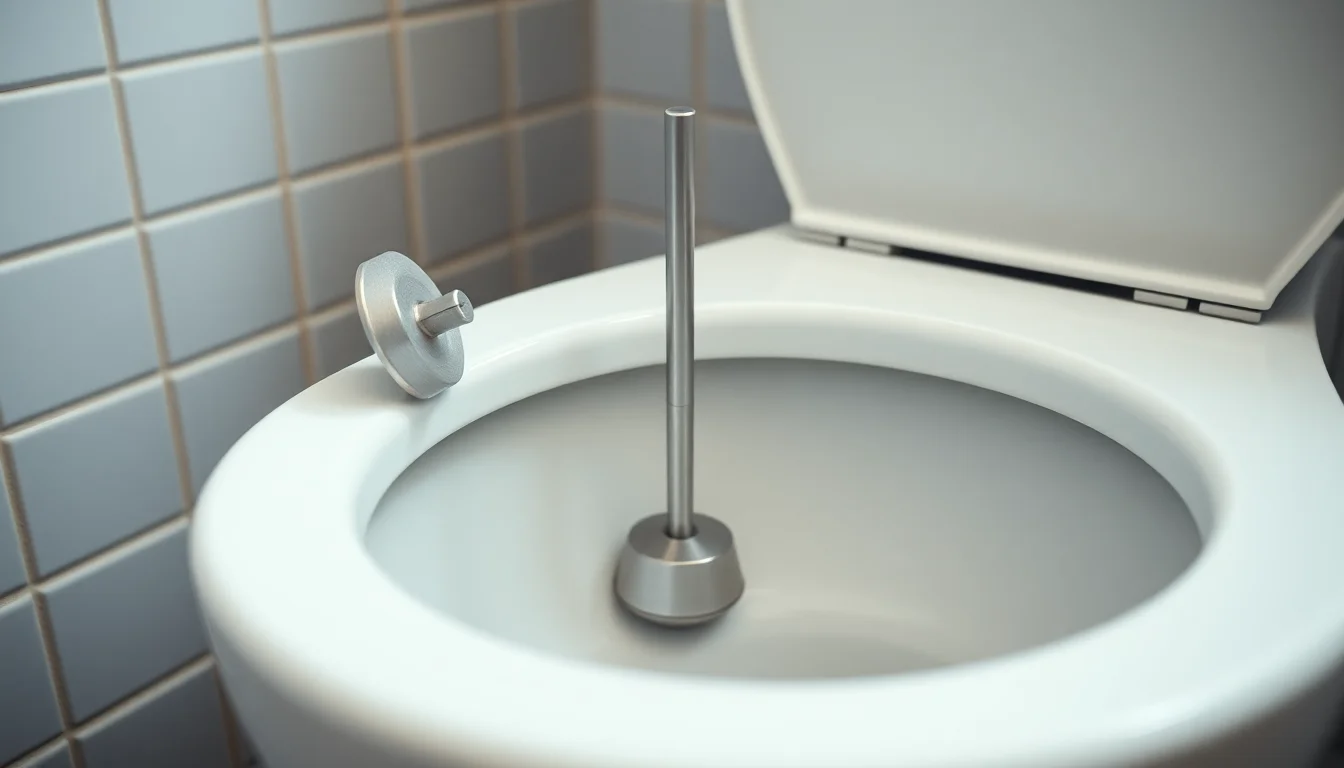
Most toilet blockages sit in the trap — the S-shaped bend just beneath the pan — and a flange plunger is built specifically to seal against that shape better than a flat cup plunger ever will. Before you start, if the bowl is nearly full, bail out some water with a small container so the plunger sits properly submerged rather than splashing everywhere. Position the flange down into the outlet, push down firmly to force air and water into the blockage, then pull up sharply — the pulling motion matters as much as the pushing, because it’s the suction on the way back that actually dislodges most blockages. Fifteen to twenty steady strokes, then try a flush. If water starts moving, you’re through; if the level barely changes, move to the next method rather than plunging indefinitely.
Hot water and washing-up liquid
For a softer blockage — tissue that’s built up rather than a solid object — hot water with washing-up liquid can do real work. Use water that’s hot to the touch but not boiling; a kettle straight off the boil poured into a cold ceramic pan risks cracking it, particularly in older toilets common across North London’s Victorian terraces. Add a generous squirt of washing-up liquid to a bucket of hot water, pour it in from waist height so it has some force behind it, and leave it to work for ten to fifteen minutes before attempting a flush. This won’t do much against a solid object, but for a soft blockage it’s often enough on its own, or it makes a follow-up plunge considerably more effective.
Using a toilet auger
A toilet auger — sometimes called a closet auger or toilet snake — is designed with a bend that protects the porcelain while reaching further into the trap than a plunger can manage. Feed the flexible cable in gently until you meet resistance, then turn the handle clockwise while easing it forward; the rotating end either breaks the blockage up or hooks onto it so you can draw it back out. Retrieve slowly rather than yanking, and have a bucket ready for whatever comes back with it. If the cable meets solid resistance that simply won’t give, or keeps coiling back on itself without making progress, that’s usually a sign the obstruction is further along than the trap — beyond what any home method is going to reach.
What not to do — chemical cleaners in a full pan
Pouring a chemical drain cleaner into a toilet that’s already full of water is close to useless and can be genuinely risky. The product sits on top of the standing water rather than reaching the actual blockage, so it does very little, while the exothermic reaction some of these products produce can crack porcelain and will attack rubber seals in the cistern over time. If you’re tempted to reach for one, try the plunger and hot-water methods first — they’re both safer and, in most cases, more effective anyway.
When it isn’t really the toilet
Sometimes what looks like a toilet blockage is actually a sign of a blockage further down the shared drain run. The signs to watch for: other fixtures — the bath, a sink, even a washing machine outlet — draining slowly or gurgling when the toilet is flushed; water rising somewhere unexpected, like a bath or shower tray, when you flush; or a persistent sewage smell that doesn’t clear with ventilation. Any of these point away from the toilet trap and towards the main drain run — common in Victorian terraces where several fixtures, or even several properties, share a single combined drain. Continuing to plunge or auger against a main-run blockage won’t clear it and can push debris further in, which is when a proper blocked toilets call-out is the sensible next step rather than another twenty minutes with a plunger.
Frequently Asked Questions
How do I unblock a toilet fast? A flange plunger, used correctly with a tight seal and firm push-pull strokes, clears most everyday blockages within a couple of minutes. If that doesn’t work, hot water with washing-up liquid left to sit for ten minutes before a follow-up flush resolves most of what’s left.
What’s the best way to unblock a toilet without chemicals? Plunging first, then hot water and washing-up liquid, then a toilet auger if needed — in that order. All three are effective on the great majority of blockages without any chemical product, and they’re gentler on the porcelain and the surrounding pipework than a caustic cleaner.
Is there a natural way to unblock a toilet? Hot water and washing-up liquid is about as close to “natural” as an effective method gets, and it works well on soft blockages. Bicarbonate of soda and vinegar is sometimes suggested too, but it’s genuinely mild — worth trying on a very minor blockage, not something to rely on for anything more stubborn.
Why does my toilet keep blocking? Recurring blockages usually mean one of three things: something being flushed that shouldn’t be (wet wipes are the most common culprit, even ones marketed as flushable), a build-up further down the drain that the toilet is just the first to show symptoms of, or a structural issue like root intrusion in an older shared drain. If it’s happening more than occasionally, it’s worth a proper look via blocked toilets rather than clearing it the same way each time.
For more on what causes toilet blockages and what to do about them, see unblocking a toilet and problems caused by blocked toilets, or request a quote via the online enquiry form if DIY hasn’t worked.