How To Unblock A Sewage Drain
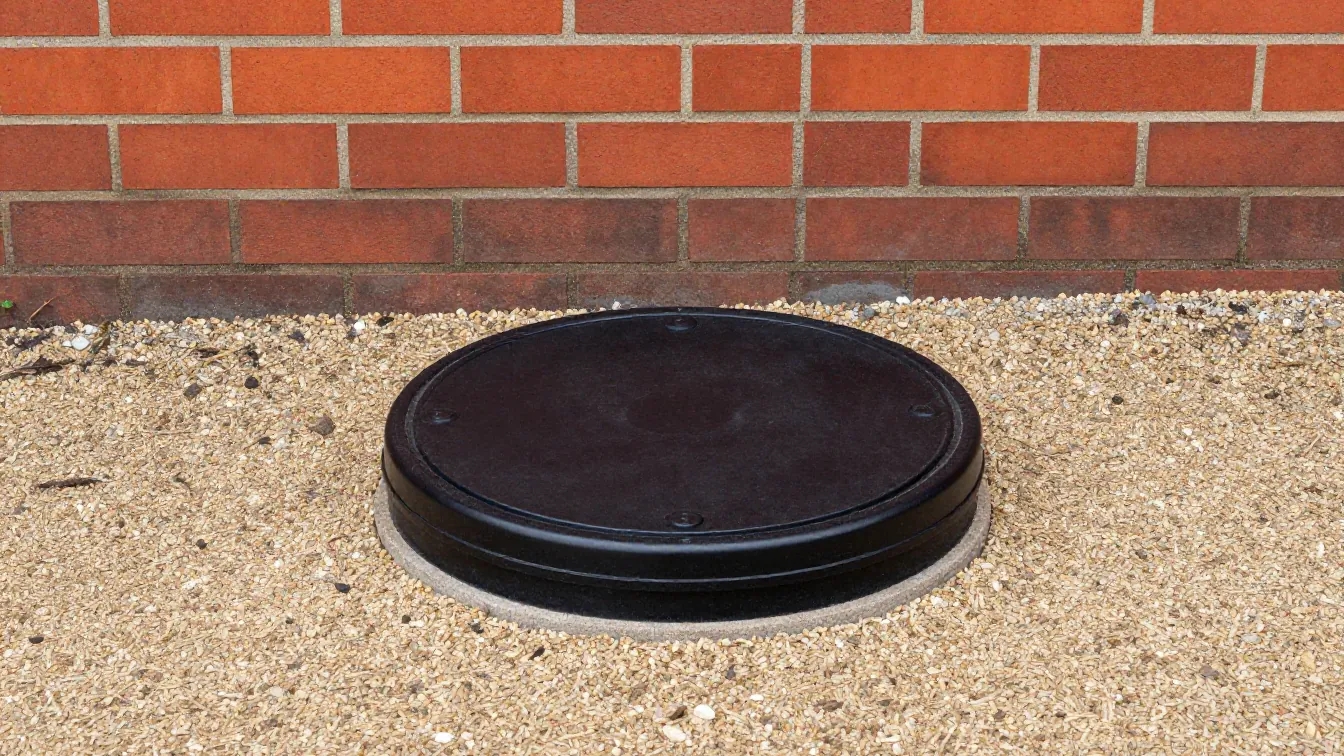
What a blocked sewage drain looks like
A blocked sewage drain stops waste leaving your home. Baths and sinks drain slowly, and the inspection chamber may overflow. As a result, you notice trouble inside and outside the house. Smells and gurgling often come first.
Sewage drains take heavy daily use, so blockages are common. Because the waste is dirty, take care. Wear gloves, avoid splashes and keep children away from the area.
Find where the blockage is
Start with the inspection chambers between your house and the sewer, because they show where the blockage sits. Lift each cover, beginning with the one nearest the house. Then work towards the road or the tank.
Look at the water level in each chamber, since it tells you a lot. If the first chamber is empty, move to the next one. A full chamber shows the blockage lies between that chamber and the next one down the line.
Take care when you lift a cover, since heavy lids can hurt your back and chambers can be deep. Never climb into one. If you are unsure, stop and ask an engineer instead.
Clearing a simple blockage
Drain rods are the usual tool for a simple blockage at home, although they take care to use. Fit a plunger head to the first rod and push it into the pipe. Add rods one at a time as it moves along.
Always turn the rods clockwise, because turning them the other way can unscrew them. A rod lost in the drain makes the problem much worse. If the rods meet something solid, swap the plunger for a corkscrew head to break it up.
When the water starts to fall, keep working for a little longer, because small pockets of debris can remain, and they can block the pipe again. Afterwards, rinse the pipe with a hose to wash away loose debris.
When the blockage keeps returning
A drain that blocks again and again may have a fault. A cracked or displaced pipe catches waste, for example, and roots can push into joints. Our page on drain repairs explains how relining and no-dig work can help.
A camera survey shows the cause. Meanwhile, read how to clear a main sewer line for the bigger picture, or see how to unblock a blocked sewer pipe for a step-by-step version.
What to avoid
Wipes, fat and nappies cause many sewer blockages, yet many people flush them without thinking. Our guide to common causes of blocked drains lists the worst offenders.
Hot water and washing-up liquid will not clear a solid blockage, so do not rely on them. Chemical cleaners can also harm pipes and are unpleasant to handle. Therefore ask for help if rods do not work.
Related problems
A sewage blockage can show up in other places first. For example, a bath may fill slowly, as we explain in bathtub drain backing up. Sewage can also come up in a lower floor, which is covered in sewer backup in basement.
A slow toilet is often the earliest sign, so read how to clear a slow draining toilet if that is your problem. Outside the house, a blocked drain outside the house needs its own steps.
Jetting and cost
When rods fail, jetting blocked drains is the usual next step, since water cleans the full pipe wall. For the other options, see what can I do to clear a blocked drain. Prices vary, so read how much it costs to unblock a drain before you decide. Not sure if you need work? Check do you need drain clearance.
Prevention
Look after your system and it will block less. Keep fat, wipes and other solids out of the drain. If you have a septic tank, have it emptied and checked regularly, because a full tank backs up into the house.
Where we work
Since we are based in Enfield, we cover drain unblocking in Enfield, blocked drains in Barnet and drain unblocking in Cheshunt. See our full blocked drains service too. Use the online enquiry form to tell us what is happening.