Common Causes Blocked Drains
Clogged drains often start as small problems. Because nobody sees inside the pipe, they grow into slow drainage, flooding, damp and sometimes a sewage backup. Repairs then cost much more than early action would have.
Prevention starts with knowing the usual causes. Below you will find those causes, the signs to watch for, and the habits that help.
Signs of a Blocked Drain
Common signs include gurgling from the drains, bubbling water and a bath that fills when you flush. If the problem affects one sink, bath or toilet, the blockage is probably in that fixture’s own pipe. However, if every flush causes a backup, the main sewer line may be blocked.
Some blockages are easy to avoid, while others are not. Read how to know when your drain needs cleaning for more clues. A bath that fills with dirty water is covered in bathtub drain backing up.
Human and Natural Causes
Some blockages come from what we put down the drain. Wipes, hair, soap, paper towels and sanitary products all cause trouble. Over time, they form a blockage that will not shift.
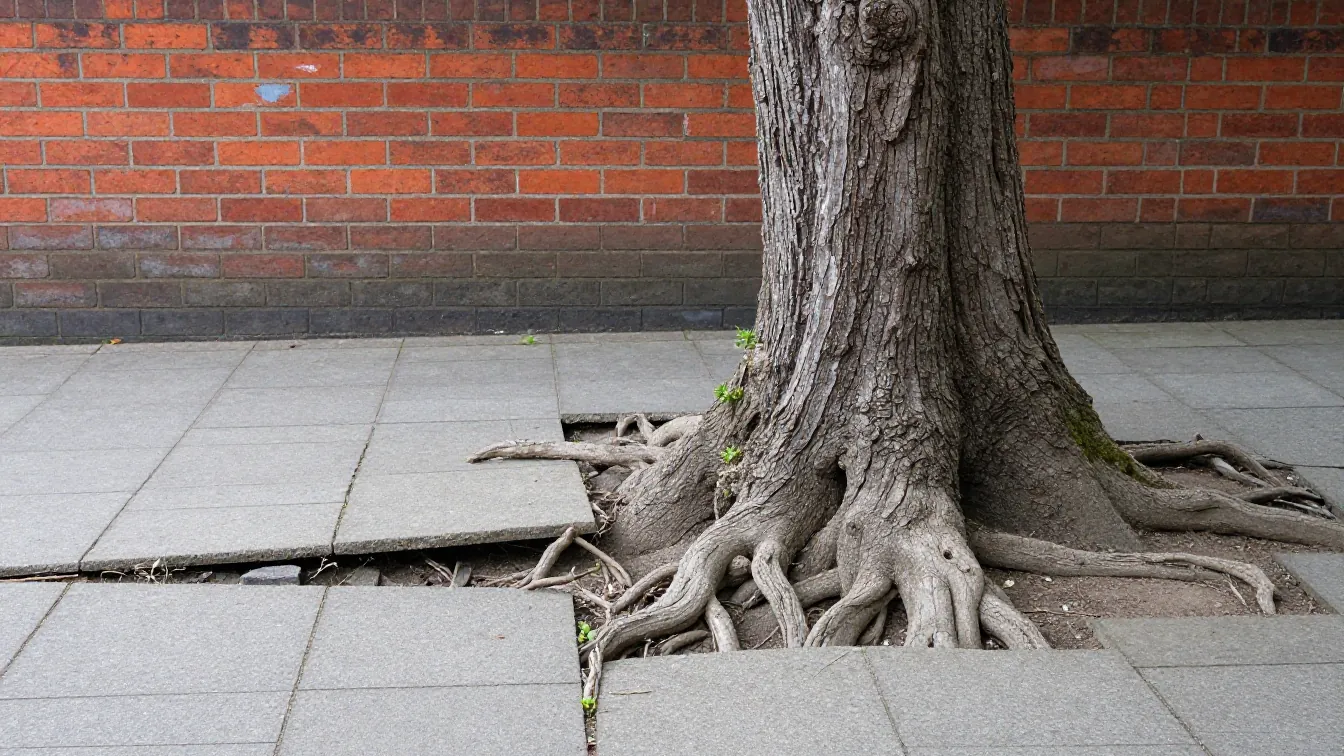
Others come from nature. Roots grow into pipes through cracks, or wrap around a pipe and squeeze it. Because roots travel far, neighbouring trees can cause damage even if your own garden has none.
The Most Common Causes
Tree roots
Roots seek water, so they find weak joints in old pipes. A gurgling sound can be an early sign, although it is easy to miss. For help with this kind of blockage, see how to clear the main sewer line.
Flushable wipes
Many water companies warn against flushing wipes. The word “flushable” only means a wipe fits down the pipe, because it says nothing about how the wipe breaks down. In practice, wipes stay whole and snag on other waste.
Hygiene products and baby wipes
These items hold their shape in water. Furthermore, they often contain fibres that catch other waste. Therefore they belong in the bin, never in the toilet.
Fat, oil and grease
Fat cools in the pipe and sets on the wall. Layer by layer, it narrows the bore, since each wash adds a little more. Scrape pans into the bin before washing, and keep used cooking oil in a jar.
Hair
Hair gathers in drains until the flow slows. A plughole screen stops most of it, yet some still gets through. Pull out what you can by hand, while wearing gloves.
Cat litter
Most cat litter is clay-based. When it gets wet and dries again and again, it can set hard. As a result, it can turn into a plug that is very hard to remove, so put it in the bin.
Pipe scale
Hard water leaves mineral deposits on pipe walls. Scale can build up until it restricts the flow, since it forms a rough surface that traps waste. The effect is slow, but it adds up over many years.
Food waste
Large or sticky food waste does not belong in a drain. Bin it instead, because drains are not made to carry solids. Even a little rice or pasta can swell and catch other waste.
Leaks and broken pipes
A leak underground can wash soil away from a pipe. The pipe may then sag or break, and soil enters the gap. Consequently the flow slows, and debris settles in the low spot.
Pipes with a poor fall
Drains rely on gravity, so the slope matters. A pipe with too little fall holds waste back. In an older home you may not know how the drains were built, yet a camera can show it.
Old pipes that break down
Clay pipes can crack, and joints can work loose. Moving soil makes this worse, since the ground shifts over time. As a result, debris enters and blocks the line.
Leaves, twigs and dropped objects
Leaves are a common cause of outdoor blockages, particularly in autumn. Small objects such as toys and jewellery can also fall into drains. Put only water, human waste and toilet paper down the toilet.
Mixed materials
Shower gel, soap and detergent can clump together. The clumps stick to pipe walls and trap other waste. While one wash does little harm, years of it leave a sticky layer.
How to Reduce the Risk
Keep fat and food out of the sink. Bin wipes, and fit screens to bathroom drains. Sweep leaves from gullies, since they wash into outside drains.
Regular checks also help, because small problems are easy to fix. Our guides on how to keep your drain clear of blockage and how often drains should be cleaned give a simple plan. For a fuller treatment of the topic, see causes and prevention of blocked drainage.
When a Blockage Needs an Engineer
Some blockages need tools you do not have. For example, a blockage outside the house may sit deep in the run. See blocked drain outside house and how to unblock a sewage drain.
Engineers use jets and cameras to find and clear the cause, because guessing wastes time. Read about jetting blocked drains and how CCTV drain inspections work. In serious cases, waste can rise into the home. Our page on a sewer backup in the basement shows what that looks like.
Help Across North London
Our blocked toilets service and blocked drains service cover the common jobs. While we work across the area, we offer drain help in Edgware, drain unblocking in Wembley and drain unblocking in Cheshunt. If you need drain unblocking in London, send the online enquiry form.